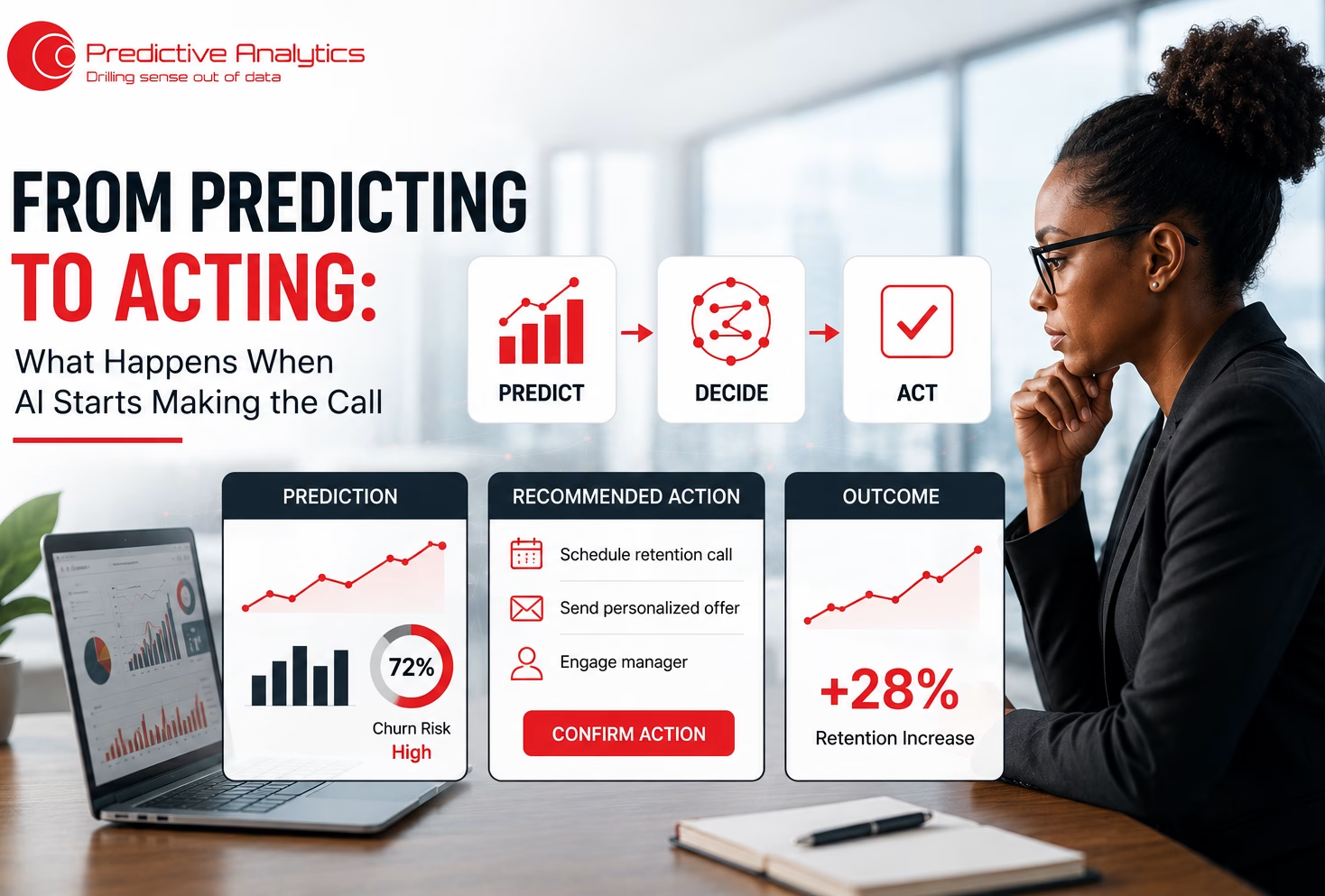

In today’s data-driven world, having a robust data strategy is essential for any business looking to stay competitive. A well-crafted data strategy not only helps you collect and analyze valuable information but also ensures that you’re leveraging that data to drive decision-making, optimize processes, and fuel business growth. This guide will walk you through the critical steps to developing an effective data strategy, empowering you to turn raw data into actionable insights.
What is a Data Strategy?
A data strategy is a comprehensive plan that outlines how your organization will collect, manage, and use data to achieve its business goals. It aligns your data initiatives with overall company objectives, ensuring that data is treated as a strategic asset. A strong data strategy addresses key areas such as data governance, data quality, data architecture, and data security.
Whether you’re a small business or a large enterprise, the right data strategy can help you gain a competitive edge, make informed decisions, and unlock hidden opportunities within your data.
Step-by-Step Blueprint for Creating an Effective Data Strategy
Step 1: Define Your Business Objectives
Before diving into the technical aspects, start by clarifying your business goals. Your data strategy should be closely aligned with your overall business objectives. Ask yourself:
- What are the key business challenges you’re trying to solve?
- Are you looking to increase revenue, improve customer satisfaction, or optimize operational efficiency?
- How will data support these goals?
Having clear objectives ensures that your data initiatives are focused and aligned with the strategic direction of your business.
Step 2: Identify Key Data Sources
To build a strong data strategy, you need to know where your data is coming from. Identify and map all potential data sources across your organization, including:
- Internal Data: Sales reports, customer databases, financial data, and operational systems.
- External Data: Social media, industry benchmarks, market research, and third-party vendors.
By understanding your data sources, you can prioritize which data streams are most valuable for your strategy. Don’t overlook external data sources that can provide valuable insights into industry trends and customer behavior.
Step 3: Assess Data Quality and Governance
Data quality and governance are fundamental to a successful data strategy. Poor-quality data can lead to inaccurate insights, missed opportunities, and bad decision-making. To ensure your data is reliable:
- Implement data governance policies to define data ownership and accountability.
- Regularly cleanse and validate data to maintain its accuracy and consistency.
- Ensure compliance with data regulations, such as GDPR or CCPA, to avoid legal issues.
A strong governance framework ensures that data is trustworthy and properly managed, which is critical for long-term success.
SEO Tip: Use keywords like “data quality,” “data governance,” “data accuracy,” and “data compliance.”
Step 4: Choose the Right Data Architecture
Your data architecture defines how data is stored, processed, and accessed within your organization. The right data architecture ensures that data flows efficiently and is available for analysis when needed. There are several options to consider, depending on your organization’s needs:
- Data Warehousing: Centralized storage for structured data, ideal for complex querying and reporting.
- Data Lakes: More flexible storage for unstructured data like social media feeds or IoT device logs.
- Cloud-Based Solutions: Scalable, cost-effective options for businesses of all sizes, offering real-time data access.
Choosing the right data architecture ensures that your data is readily available and scalable as your organization grows.
SEO Tip: Include terms like “data architecture,” “data warehouse vs. data lake,” and “cloud-based data solutions.”
Step 5: Leverage Advanced Analytics and AI
Once your data is properly structured and governed, it’s time to leverage advanced analytics to turn raw data into actionable insights. By incorporating technologies like machine learning (ML) and artificial intelligence (AI), you can:
- Predict future trends with predictive analytics.
- Uncover hidden patterns in customer behavior.
- Automate data analysis for faster, more accurate decision-making.
Advanced analytics and AI provide the ability to make data-driven decisions that can significantly improve business outcomes. Focus on analytics tools that align with your business goals and ensure your team has the skills to utilize them effectively.
Step 6: Create a Data-Driven Culture
Technology alone cannot drive success. Creating a data-driven culture within your organization is crucial. Encourage your teams to base decisions on data, rather than intuition or guesswork. This cultural shift can be achieved by:
- Offering training and development opportunities to boost data literacy.
- Ensuring leadership champions data-driven decision-making.
- Rewarding teams that successfully use data to solve business problems.
A data-driven culture empowers employees at all levels to use data effectively, ensuring that your data strategy delivers long-term value.
SEO Tip: Use phrases like “data-driven culture,” “data literacy,” and “data-driven decision-making.”
Step 7: Continuously Monitor and Adapt Your Data Strategy
Data strategies are not static; they need to evolve as your business and technology landscape change. Continuously monitor the performance of your data strategy and adjust as needed. Key considerations include:
- Regularly updating data governance policies to comply with new regulations.
- Incorporating new data sources as they become available.
- Adopting emerging technologies like blockchain or IoT for enhanced data capabilities.
By staying agile, you can ensure your data strategy remains relevant and continues to drive business success.
Conclusion: Start Building Your Data Strategy Today
An effective data strategy is your blueprint for success in today’s data-driven world. By following these steps—defining your business objectives, identifying data sources, ensuring data quality, and leveraging advanced analytics—you can unlock the full potential of your data and gain a competitive edge. Don’t wait to start building your data strategy. The sooner you implement these best practices, the sooner you’ll see the benefits of data-driven decision-making.